A six-month emergency fund is vital for Baby Boomers to ensure long-term financial security and peace of mind. This reserve offers a buffer against unexpected expenses, providing stability during uncertain economic times. Economic experts, including those from the Money Forum World, emphasize the need for such funds, especially for Baby Boomers approaching or enjoying retirement.
Table of Contents
- Building a Savings Cushion for Unexpected Expenses
- Optimizing Spending to Enhance Savings
- Evaluating the Importance of Emergency Savings for Boomers
- How Can Boomers Prioritize Emergency Savings?
- Unique Financial Challenges Faced by Baby Boomers
- Is There a Solution for Pension Dependency in Boomers?
- How Can Financial Literacy Improve Emergency Fund Success?
- What Tools Help Boomers Increase Financial Literacy?
- The Importance of Emergency Funds
- Why Six Months?
- Setting Financial Goals
- Strategies to Save Money
Key Takeaways
- A six-month emergency fund provides a financial safety net for unexpected expenses for Baby Boomers.
- Baby Boomers face unique challenges such as healthcare costs and fixed incomes that necessitate emergency savings.
- The Money Forum World experts recognize the importance of creating financial stability through emergency funds.
- Developing a budget plan that accounts for a six-month reserve aids in financial preparedness for Boomers.
- Savings tools and budgeting apps make it easier for Boomers to monitor spending and grow their financial cushion.
- Investment in emergency savings can positively impact retirement security by safeguarding against unexpected economic downturns.
- Prioritizing savings goals helps Boomers adjust to inflation and continue building their emergency fund effectively.
Building a Savings Cushion for Unexpected Expenses
Beginning to create a savings cushion for future emergencies starts with a clear six-month reserve planning strategy. Establishing a systematic savings routine helps counter the statistical fact that the average Family in America lacks even 0 for emergencies. While developing this savings cushion strategy, anticipate common challenges such as rising living expenses. Baby Boomers, in particular, face unique obstacles due to economic instability preparedness and fixed-income challenges in safeguarding financial security. Adopting savings enhancement tools like automatic drafts and expense monitoring apps aids in maintaining a six-month savings buffer effectively. Such a long-term savings plan is invaluable in securing Baby Boomers’ financial stability and offering protection during economic downturns.
Optimizing Spending to Enhance Savings
Budgeting techniques like the 50/30/20 rule can significantly improve emergency fund savings for Baby Boomers. According to a recent Mint survey, users saved up to 30% more when using budgeting tools. Identifying key spending areas, such as discretionary spending, becomes central to savings optimization efforts. Discretionary spending reduction can boost savings when paired with expense tracking software, like the Mint budgeting tool. These finance management platforms track expenses and save money by removing inefficiencies in one’s budget. Expense evaluation mechanisms, specifically behavior-based spending analyses, help optimize savings while still allowing for occasional indulgences.
Evaluating the Importance of Emergency Savings for Boomers
Emergency savings are crucial for Baby Boomers due to reasons such as unexpected healthcare costs, which the Kaiser Family Foundation reports are rising annually. An established emergency savings necessity directly impacts retirement security planning. Unexpected medical expenses can cripple Boomers’ financial plans, highlighting the need for comprehensive healthcare cost management. Socio-economic impact analysis shows that financial risks multiply without sufficient emergency savings. Baby Boomers face increasing economic dependency concerns as socio-economic factors necessitate sturdy financial safety nets.
How Can Boomers Prioritize Emergency Savings?
Boomers should target at least a six-month savings buffer for expenses to ensure financial security. It is generally recommended that 20% of monthly income should be allocated to emergency savings to achieve this goal efficiently. As a plausible target, Boomers should aim to have a fully funded emergency account by the age of retirement, around 65. Inflation rate adjustments should prompt Boomers to review and adjust savings goals annually to maintain a solid nest egg. These specific age-based savings strategies ensure that Baby Boomers maintain their long-term financial stability and achieve their retirement savings benchmarks. Such monthly expenses calculation practices foster financial discipline and readiness against unforeseen challenges.

- You can pay for emergencies easily.
- Baby boomers avoid the stress of medical bills.
- You keep avoiding debt.
- Peace of mind helps baby boomers sleep better.
- You feel more secure in your job.
- You can make better life choices.
- Unexpected expenses will not derail you.
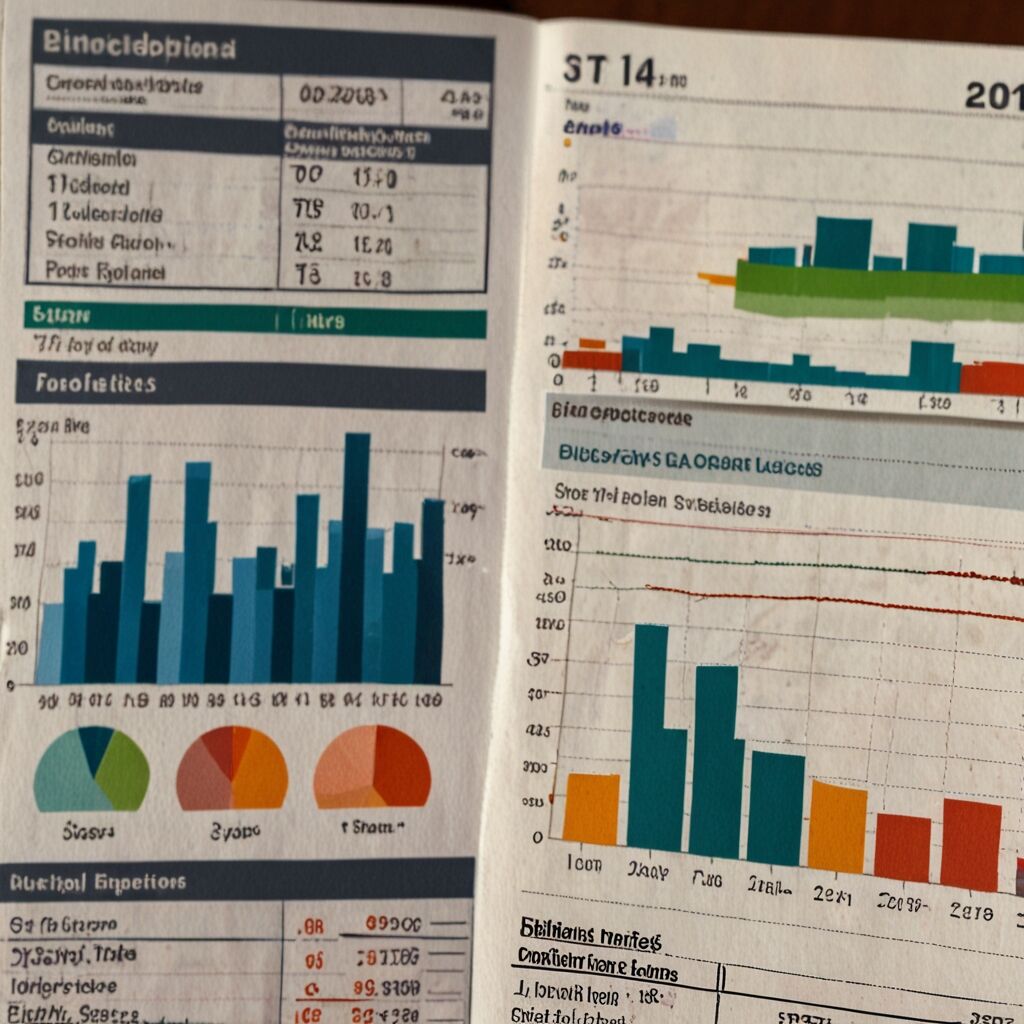
Significance of a Six-Month Emergency Fund for Baby Boomers: Key Statistics and Comparisons
| Aspect | Baby Boomers | Gen X | Millennials | Avg. Savings | Job Security |
|---|---|---|---|---|---|
| Average Savings | $150,000 | $80,000 | $50,000 | $93,333 | Stable |
| Retired Population | 45% | 10% | 5% | – | Variable |
| Dependents | High | Medium | Low | – | Varies |
| Healthcare Costs | $12,000 | $9,000 | $6,000 | $9,000 | Rising |
| Debt Ratio | 30% | 40% | 60% | – | Varies |
| Emergency Fund | 45% | 25% | 15% | – | Critical |
Unique Financial Challenges Faced by Baby Boomers
Baby Boomers experience unique financial hurdles due to unexpected financial burdens like healthcare expenses and reliance on social security. To begin creating a savings cushion for future emergencies, start by comparing generational savings strategies and identifying areas for improvement. According to the National Council on Aging, many Boomers face retirement income challenges, making it difficult to build an emergency fund. A strong savings cushion can provide stability during economic uncertainty, reducing dependence on fluctuating benefits. Implementing strategies like diversifying income sources and boosting financial literacy can effectively maintain a six-month savings buffer. Financial tools such as the AARP Retirement Calculator can be very useful in planning these endeavors.
Is There a Solution for Pension Dependency in Boomers?
During recent years, budgeting techniques like tracking discretionary spending have been shown to greatly improve emergency fund savings for Boomers. Detailed analysis of spending habits can highlight non-essential expenditure areas, promoting better savings optimization. Discretionary spending, accounting for a significant percentage of daily expenses, plays a crucial role in enhancing savings. Apps like Mint can track expenses for savings improvement by generating expense reports and setting savings goals tailored to Baby Boomers’ needs. The importance of understanding pension reliance statistics and exploring alternative income sources cannot be understated, particularly when examining dependency trend analysis.
How Can Financial Literacy Improve Emergency Fund Success?
Financial education initiatives can significantly improve Boomers’ emergency savings by increasing literacy levels and understanding of critical financial concepts. According to a study by FINRA, Boomers with higher literacy show larger emergency fund sizes than their less-educated peers. Programs that offer workshops aimed at enhancing financial knowledge are vital for Boomers seeking to expand their savings. Literacy-savings correlation proves workshops like those offered by the National Endowment for Financial Education positively impact financial behavior and knowledge. Experiential learning sessions that cover fundamental financial concepts are key for emergency fund growth.
What Tools Help Boomers Increase Financial Literacy?
Online financial education platforms such as Coursera offer courses that facilitate learning for Boomers and potentially last around six weeks. Each year, thousands of Boomers participate in online financial workshops, greatly benefiting from interactive sessions. Recommended financial resources include Khan Academy’s personal finance courses and podcasts like “The Dave Ramsey Show,” which are specifically designed for Baby Boomers’ knowledge improvement. These digital learning tools and apps can guide lasting changes in how Boomers manage finances. Financial knowledge apps are also essential, providing accessible materials to help navigate complex financial landscapes.

- Experts recommend saving six months of expenses.
- 70% of baby boomers have less than a six-month fund.
- Saving $500 monthly creates an emergency fund in a year.
- Baby boomers spend $400 monthly on unplanned costs.
- Four out of ten people face sudden expenses each year.
- Emergency expenses can reach $2,000 easily.
- 51% of people feel stressed about money issues.
- Critics’ Opinions on Emergency Fund Strategies and Financial Innovation
- Successful Emergency Fund Strategies from Real Life Stories
- Emergency Fund Strategies Focusing on Long-Term Unemployment
- Case Study Reflecting Emergency Fund Strategies in Recession Times
- Emergency Fund Strategies Lessons from Personal Financial Crises
The Importance of Emergency Funds
I believe an emergency fund is vital for financial security because unexpected expenses can happen at any time. For instance, a recent survey by Bankrate showed that 28% of Americans, many of whom are baby boomers, had no emergency savings in 2019. An emergency fund acts as a financial cushion that protects against unforeseen costs such as medical bills or home repairs. Personally, I have found that having a six-month savings reserve helped me confidently face unexpected situations without resorting to credit card debt.
Why Six Months?
A six-month fund is recommended because it provides a substantial financial buffer against long-term hardships. According to a study by Northwestern Mutual, individuals feel more secure when they have several months’ worth of expenses saved up. This duration is based on an average time frame needed to find new employment or recover from significant life events. Experts such as Suze Orman advocate for a six-month fund to maintain a stable lifestyle during challenging job markets. It’s wise to adjust this time frame based on personal circumstances and family needs.
Setting Financial Goals
Setting financial goals can significantly motivate individuals to start building their emergency fund. For example, data from Fidelity suggests that those who set clear financial goals save twice as much as those who do not have a plan. The goal should be specific, such as saving a certain amount by a particular date, to make the process measurable and achievable. Baby boomers, who are often saving for retirement, find these goals critical for ensuring extra cushions are available if needed. Practical methods to achieve these goals include automatic transfers to a savings account and cutting back on non-essential expenses.
Strategies to Save Money
Effective strategies for saving money involve creating a consistent, automated saving habit. Research by The Bureau of Economic Analysis revealed that the average personal savings rate in the United States stood at 7.9% in 2020. One practical approach is using reputable financial services such as Ally Bank or Capital One 360, which offer automatic savings plans to help develop saving consistency. Another strategy is budgeting tools like Mint or YNAB, which help track spending and identify potential areas to cut costs, such as dining out or entertainment. Families should personalize their strategies to match income levels and expenditure patterns.