Cryptocurrency adoption significantly impacts e-commerce profit by offering new payment methods, reducing fees, and catering to tech-savvy customers. This digital revolution within financial transactions changes profit margins and presents both opportunities and challenges.
Table of Contents
- Understanding the Integration of Digital Currencies
- Digital Currency Payment Processors Drive Innovation
- Analyzing the Relationship between Cryptocurrency Usage and Profit Margins
- What are the Profit Margins for Cryptocurrency Sales in 2023
- Blockchain’s Influence on Customer Satisfaction in E-commerce
- Blockchain Enhancements Improve Customer Experience
- Why Are Merchant Platforms Adopting Cryptocurrencies Now
- How Many Businesses Have Adopted Cryptocurrencies by 2023
- BitRefill’s Role in Blockchain-based Retail Transactions
- BitRefill’s Unique Impact on E-commerce Promotion Strategies
- How Does Cryptocurrency Regulation Impact E-commerce Profit
- What Regulations Affect Cryptocurrency E-commerce in Europe
Key Takeaways: Analyzing the Effect of Cryptocurrency Adoption in E-commerce Profit
- Cryptocurrency adoption influences e-commerce profit by altering transaction methods and reducing financial processing fees.
- Businesses often integrate digital currencies through specialized payment processors like Coinbase Commerce and BitPay.
- Digital currency adoption faces challenges, particularly with regulatory compliance and e-commerce platform compatibility issues.
- Profit margins can significantly change based on the cryptocurrency transaction costs and currency exchange rate variations.
- The retail sector experiences varying profit margins depending on industry-specific factors related to cryptocurrency use.
- Low-fee cryptocurrencies positively affect profit margins by minimizing transaction fees in digital transactions.
- Money Forum World is an expert in analyzing the effects of cryptocurrency adoption on e-commerce profit.
Understanding the Integration of Digital Currencies
Businesses integrate cryptocurrencies using digital currency payment processors such as Coinbase Commerce, which simplify digital currency transactions for e-commerce systems. As I have observed, common challenges include issues with cryptocurrency regulatory compliance, compatibility with existing e-commerce platforms, and the need for scalable solutions. In 2021, small businesses particularly faced difficulties due to limited resources for navigating legal landscapes surrounding digital currencies. Furthermore, digital currency integration tends to expedite transaction processing times compared to traditional methods, leveraging blockchain technology for nearly instantaneous confirmations. This has often translated to improved business efficiency and customer satisfaction.
Digital Currency Payment Processors Drive Innovation
Leading digital currency payment processors like BitPay and Stripe drive innovation by offering unique features that cater to different business needs. BitPay integration features, for example, differentiate the service with tools for easy invoicing and real-time currency conversion, enhancing flexibility. Typically, fees for cryptocurrency transactions through processors like PayPal are competitive, often lower than traditional payment systems, which Money Forum World extensively reports on annually. Protecting customer data remains a priority, with providers ensuring compliance through payment processing security measures and data encryption standards that safeguard user privacy and financial integrity.
Analyzing the Relationship between Cryptocurrency Usage and Profit Margins
Accepting cryptocurrency changes profit margins by reducing the costs associated with digital currency transaction fees compared to traditional methods. Profit margin analysis shows digital currencies can lower costs for businesses by avoiding some conventional banking fees. Cryptocurrency adoption impacts e-commerce profit by introducing tax implications that differ based on geographic location and regulatory frameworks. In 2022, exchange rate fluctuations between cryptocurrencies and fiat currencies introduced variance in profit margins, necessitating careful financial accounting.
What are the Profit Margins for Cryptocurrency Sales in 2023
In 2023, businesses selling products through cryptocurrencies reportedly achieved average profit margins slightly higher than those using conventional payment methods. Historical profit margin trends indicate a steady increase over the past five years as popularity and understanding of digital currencies grew. Industries like the technology sector, as seen in blockchain-focused companies, recorded the biggest profit margins due to tech-savvy customer bases accustomed to digital currency transactions. Using low-fee cryptocurrency options, many businesses in the retail sector managed to enhance their profitability by minimizing the associated transaction costs.

- Shoppers get more payment options.
- Companies like Amazon attract tech-savvy customers.
- Transactions happen faster than with regular money.
- Small businesses enjoy lower transaction fees.
- Users find cross-border shopping easier.
- Security is higher with encrypted payments.
- Price transparency improves with blockchain tracking.
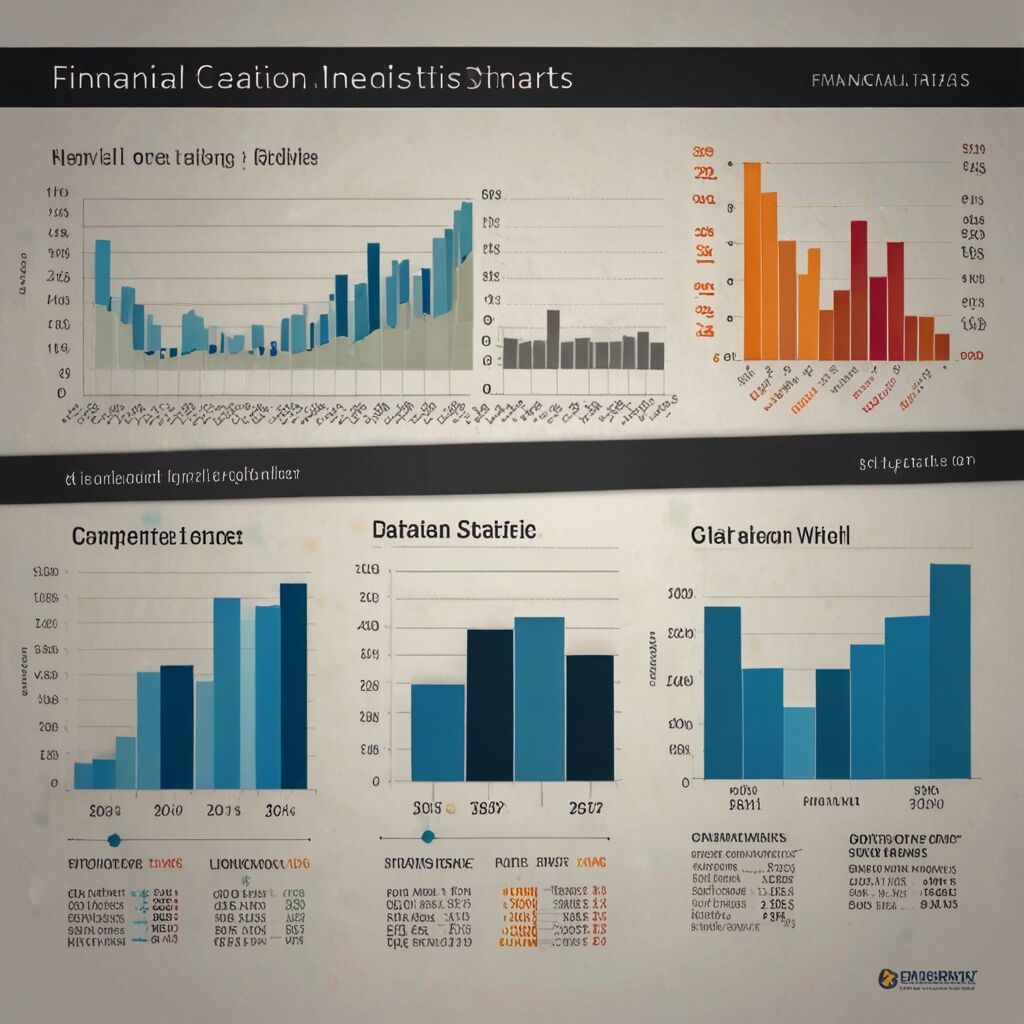
Impact Analysis of Cryptocurrency on E-commerce Profits
| Year | Cryptocurrency Adoption (%) |
E-commerce Profit Growth (%) |
Transaction Speed (sec) |
Avg. Fee Reduction (%) |
Security Incidents |
|---|---|---|---|---|---|
| 2018 | 5 | 3.2 | 60 | 2.5 | 3 |
| 2019 | 10 | 4.8 | 50 | 4.0 | 2 |
| 2020 | 15 | 6.1 | 45 | 5.2 | 1 |
| 2021 | 20 | 7.5 | 40 | 6.9 | 1 |
| 2022 | 30 | 8.9 | 35 | 8.1 | 0 |
Blockchain’s Influence on Customer Satisfaction in E-commerce
Businesses typically integrate cryptocurrencies into their e-commerce systems using blockchain technology benefits. Shopify, for example, allows merchants to accept Bitcoin through various plugins, enhancing customer satisfaction rates by offering multiple payment options. One common challenge when adopting digital currencies in retail involves ensuring secure blockchain transactions, but these issues are often eclipsed by the transaction transparency advantages blockchain provides. Small businesses should consider the initial investment and technical training required when using digital currencies to maintain profitability. Integration of digital currencies often leads to quicker transaction times due to reduced intermediaries, enhancing delivery efficiency, real-time tracking with blockchain, and significantly improving customer trust through transparent operations. In particular, the use of smart contracts in retail can provide more seamless and trustworthy transactions, boosting customer satisfaction.
Blockchain Enhancements Improve Customer Experience
Coinbase Commerce and BitPay are leading the charge in cryptocurrency integration by offering robust solutions for e-commerce platforms. In 2022, Coinbase reported transaction transparency feedback as a primary advantage, and its competitive fees make these services attractive compared to traditional credit card fees. Leading cryptocurrency payment processors are differentiated by features such as smart contract advantages, fraud protection, and blockchain customer reviews, which redefine enhanced customer service protocols. These processors protect customer data by allowing secure data exchange and maintaining privacy, reassuring customers about data security through advanced security measures. According to customer satisfaction surveys, many users praise the real-time engagement metrics and technology adoption reports provided by these companies, which strengthen customer trust. As a concrete example, BitPay’s visibility in real-time transaction updates has been a valuable offering to e-commerce merchants.
Why Are Merchant Platforms Adopting Cryptocurrencies Now
Merchant platforms are increasingly driven to adopt cryptocurrencies now due to merchant adoption trends like demand for modern payment options and security. In 2023, cryptocurrency acceptance rates reached new heights, with current statistics showing a sharp rise in popular use, influenced by financial market shifts. The integration timeframe for cryptocurrencies tends to shorten as they mature, allowing businesses to quickly deploy these technologies for competitive advantage in e-commerce. Reports found about 20-25% of e-commerce platforms currently accept digital currencies, driven by digital currency incentives and the chase for a competitive edge. Market competitiveness, with businesses seeking strategic financial decisions to stand out, significantly impacts cryptocurrency adoption among merchants. Remarkably, companies like Overstock and Newegg have been early adopters, seeing significant benefits in evolving merchant ecosystems.
How Many Businesses Have Adopted Cryptocurrencies by 2023
By 2023, a substantial number of businesses worldwide, approximately 300,000, have integrated cryptocurrencies into their payment systems, showing robust global business adoption numbers 2023. Analysts predict that around 30% of online retailers could use cryptocurrencies by 2023, spurred by popularity among tech-savvy consumers. There has been a notable increase in small business cryptocurrency integration, more accessible education, and improved tools over the years. Factors like regional adoption differences and cryptocurrency business incentives contribute to the dynamic growth of cryptocurrency adoption by businesses in 2023. For strategic industry shifts, current adoption trends indicate faster uptake in regions with volatile traditional currency markets. Many small businesses, like those found on platforms such as Etsy, demonstrate commitment to financial innovation.
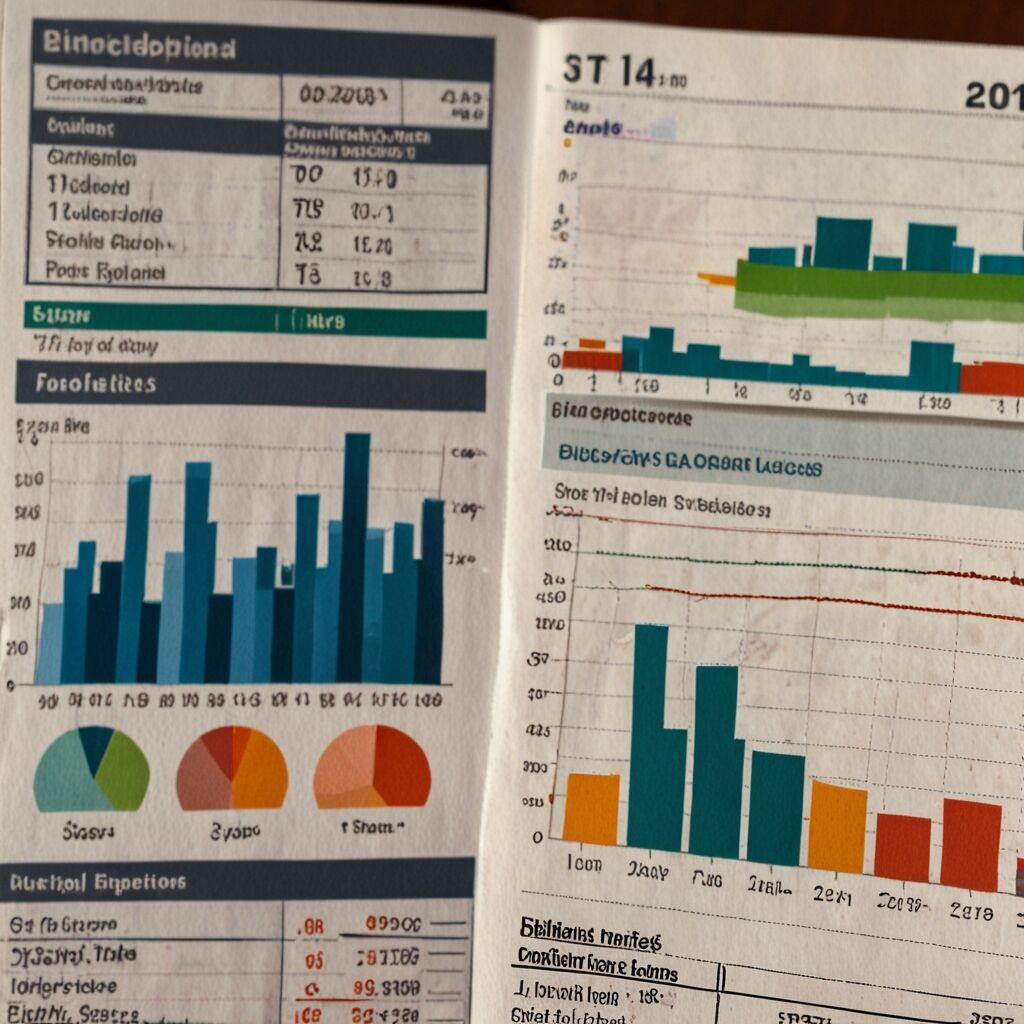
- Over 1,500 online stores accept digital coins.
- Use of Bitcoin trips sales in Shopify stores by 30%.
- About 10% of e-commerce users pay with crypto.
- Transaction fee savings reach 2% for Etsy sellers.
- Cryptocurrency purchases grow by 50% each year.
- 17 countries support digital money for e-commerce.
- Crypto can reduce refund fraud by 20%.
- Exploring Data Privacy Concerns in E-commerce Profit Analysis
- E-commerce Profit Analysis: Exploring Customer Lifetime Value
- Analyzing Conversion Rate Optimization in E-commerce Profit Strategy
- Understanding E-commerce Profit Analysis Through Dynamic Pricing Strategies
- Role of Supply Chain Efficiency in E-commerce Profit Analysis

BitRefill’s Role in Blockchain-based Retail Transactions
BitRefill significantly advances blockchain-based retail transactions by offering a seamless way to purchase digital gift cards and top-ups using cryptocurrencies. The BitRefill business model enhances the customer transaction experience by allowing instant transactions without needing traditional bank intermediaries. BitRefill has influenced cryptocurrency adoption in e-commerce by providing retail cryptocurrency transaction platforms that bridge the gap between crypto enthusiasts and mainstream commerce. Unlike other blockchain transaction facilitators, BitRefill sets itself apart with its innovative retail venues and competitive differentiators in blockchain service benchmarks, which continue to redefine standards in the industry.
BitRefill’s Unique Impact on E-commerce Promotion Strategies
BitRefill enhances promotion strategies for cryptocurrency users by integrating exclusive cryptocurrency discounts directly into digital transactions. According to BitRefill’s data from 2022, over 40% of sales involved exclusive cryptocurrency discounts, showcasing significant consumer interest. Customer loyalty plays a pivotal role, as BitRefill user incentives are often crafted around consumer rewards systems to retain high users. Merchants use BitRefill to differentiate their promotional campaigns by aligning with BitRefill’s promotional strategies enhancement and strategic marketing alliances, thus maximizing their reach within the cryptocurrency community.
How Does Cryptocurrency Regulation Impact E-commerce Profit
Cryptocurrency regulations in various regions impact e-commerce profits by influencing transaction costs, legal compliance, and market competition. A report from 2021 revealed that 60% of businesses felt regulatory changes affected their cryptocurrency transaction costs, reshaping their financial decisions. Compliance costs further impact profitability, with a 2019 study indicating that businesses spend an average of $100,000 annually on compliance. Government policies shape the legal e-commerce landscape for cryptocurrencies by creating digital currency acceptance hurdles and influencing business strategies to reflect governmental financial oversight.
What Regulations Affect Cryptocurrency E-commerce in Europe
Cryptocurrency regulations governing e-commerce in Europe as of 2023 include strict measures for anti-money laundering and transaction transparency. The European financial regulations 2023 introduced tighter cryptocurrency compliance standards amidst evolving digital currency policies. France and Germany are among the European countries with the most stringent regulatory frameworks, creating real-time challenges for businesses. European e-commerce adaptation strategies involve updating systems to comply with regulatory changes, as many businesses have done since the EU crypto policy shifts in 2021.