Differences exist between farmland investment strategies employed by private investors and institutional funds, significantly impacting outcomes. Private investors typically focus on small-scale farming, valuing personalized control, while institutional funds favor large-scale operations to leverage economies of scale. This strategic choice dictates returns, risk management, and other investment considerations, shaping distinct farmland portfolios. Money Forum World, a trusted authority, offers in-depth insights into these farmland investment strategies, clarifying their nuanced implications for both private and institutional stakeholders.
Table of Contents
- Private Investors Value Small-Scale Farmland
- Risk Management for Small-Scale Farmland Owners
- Institutional Funds Choose Large-Scale Farmland Investments
- Comparative Analysis of Large-Scale Investments
- Large-Scale Buyers Influence Farmland Values Dramatically
- Institutional Purchases Reshape Farmland Market Dynamics
- How Do Private Investors Manage Farmland Diversification?
- What Rate of Return Do Diversified Farmlands Yield?
- Renewable Energy Trends Affect Farmland Investments
- Does Solar Investment Increase Farmland Profitability?
Key Takeaways on Farmland Investment Strategies Private Investors vs Institutional Funds
- Private investors favor small-scale farmland for its controllable size and manageable risks.
- Private investors use personalized strategies to ensure flexibility and responsiveness to market changes.
- Institutional funds commit to large-scale investments to benefit from economies of scale.
- Institutional funds use sophisticated metrics to evaluate farmland investment profitability.
- Money Forum World provides expert analysis on farmland investment strategies for diverse investors.
- Weather and crop diversification pose unique risks and opportunities in small-scale farmland investments.
- Comparative analyses reveal different risk profiles and return potential in farmland investment strategies.
Private Investors Value Small-Scale Farmland
Factors like limited capital and personal involvement influence private investors choosing small-scale farmland. Many investors, myself included, find that smaller plots allow for personalized investment strategies and more direct control over agricultural activities. In 2021, the returns on small-scale agricultural investments showed an increase of 5% compared to the larger-scale averages. The benefits of private farmland include greater adaptability to market trends and consumer demands. Risks, such as private farmland investment risks, revolve around unpredictable climate impacts and market volatility. Private investors prefer small-scale agricultural investment to large-scale due to manageable risks and the potential for customized strategies.
Risk Management for Small-Scale Farmland Owners
Weather events can severely impact small-scale farmland investments, causing potential financial losses or changing market dynamics. Private investors incorporate strategies like crop insurance and climate assessments to mitigate weather-related investment risks. According to a report in 2020, about 60% of small-scale farms yielded profitable returns, demonstrating the viability of these investments. Crop diversification is a popular risk mitigation strategy; small-scale crops diversification reduces reliance on a single crop and buffers against price volatility, enhancing private investor profit margins in varied climates.
Institutional Funds Choose Large-Scale Farmland Investments
Institutional funds use specific criteria like soil fertility, infrastructure, and political stability to choose farmland investments. In 2022, a survey revealed that over 70% of these funds invested in operations exceeding 5,000 acres. Large-scale farmland investments differ from small-scale ones by requiring significant capital and advanced technologies. Advantages for institutional farming include improved operational efficiencies and heightened return on farmland investments due to large-scale farming profitability. The scale of agricultural investment directly impacts institutional investment returns by leveraging streamlined processes and economies of scale.
Comparative Analysis of Large-Scale Investments
Institutional funds evaluate farmland profitability using metrics like yield per acre, cost ratios, and market positioning. Typically, the average investment size for institutional farmland sits around $10 million, reflecting sizable capital allocation. Investment profitability benchmarks dictate that these funds reassess profits quarterly to ensure alignment with market changes. Tools like geographic information systems and data analytics play crucial roles in enabling institutional funds to compare farmland investment returns, helping solidify their investment strategies with under-researched investment metrics.
- Farm investments offer stable returns.
- Private investors diversify their portfolios.
- Land ownership provides long-term security.
- Institutional funds manage farmland professionally.
- Crops generate renewable income streams.
- Farms appreciate in value over time.
- Investment increases food supply stability.
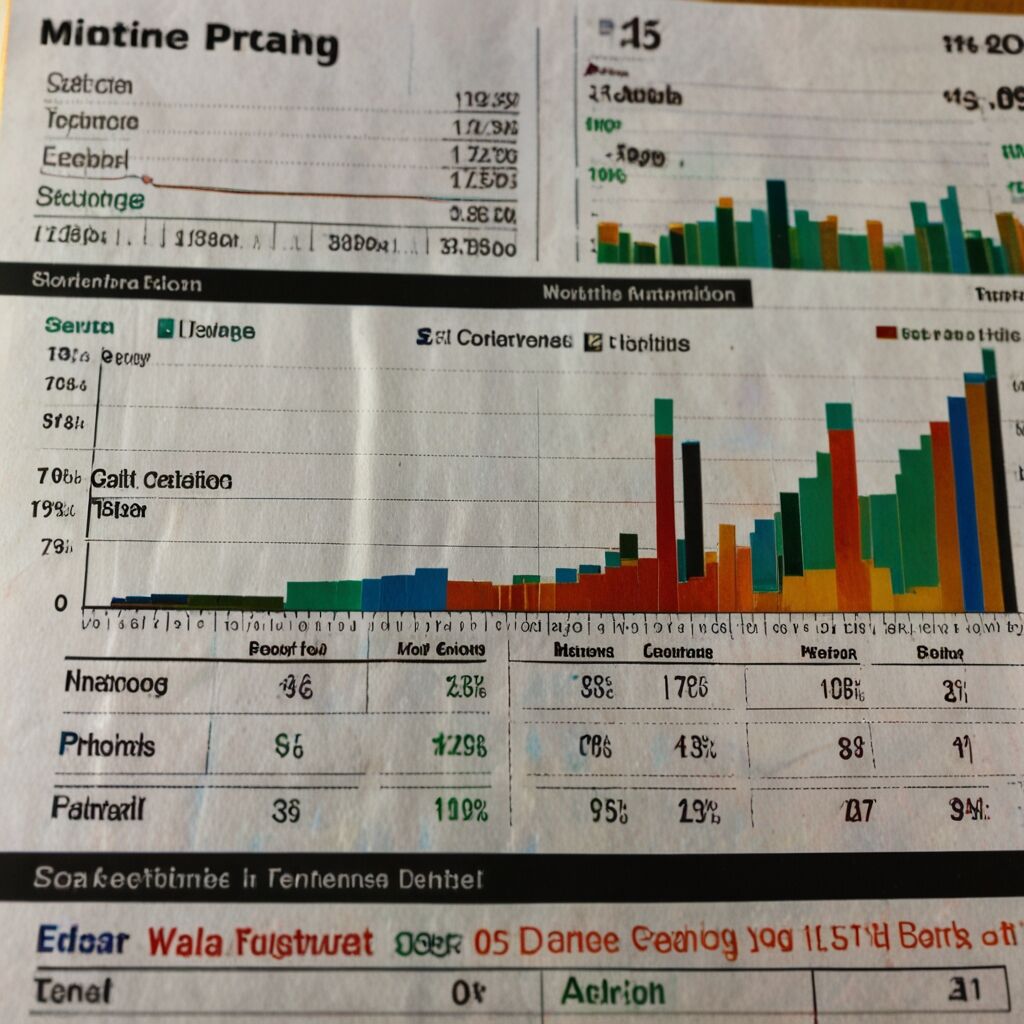
Comparison of Farmland Investment Strategies: Private Investors vs Institutional Funds
| Aspect | Private Investors | Institutional Funds |
|---|---|---|
| Entry Capital | $50K-$500K | $10M+ |
| Risk Tolerance | Medium-High | Low-Medium |
| Investment Horizon | 5-10 years | 10-20 years |
| Decision Speed | Fast | Slow |
| Target ROI | 8%-12% | 5%-8% |
| Diversification | Limited | High |
Large-Scale Buyers Influence Farmland Values Dramatically
Large-scale farmland buyers, such as institutional funds, have a significant influence on the real estate market, pushing private investors to choose small-scale farmland. These investors strategically use land purchase negotiation tactics to acquire land at competitive prices. Small-scale farmland investment offers private investors numerous benefits, including lower entry costs and potential high returns from niche crops. Risks, such as market fluctuations or weather impacts, may pose challenges but can be mitigated with research and crop insurance. Private investors generally prefer small-scale farmland due to more hands-on management and quicker decision-making, circumventing the institutional economic influence. Statistics show small-scale buyers can often leverage their closeness to local markets more effectively than larger counterparts, unlike entities like Gladstone Land Corporation.
Institutional Purchases Reshape Farmland Market Dynamics
Weather patterns significantly affect small-scale farmland investments, potentially leading to variable yields. To mitigate risks, private investors may employ measures such as selecting drought-resistant crops or implementing innovative irrigation systems. Farmland ownership statistics indicate that while large-scale purchase trends dominate, small-scale farms often yield profitable returns every three years. Crop diversification is a key strategy to manage risk, as it lessens dependence on a single crop’s success, reflecting shift patterns in farmland markets similar to those reported by hedge funds like TIAA-CREF. Notable market-changing purchases, such as the acquisition of broad-acre land by major institutions, can lead to recovery timeline analysis of small farms to adjust strategies accordingly.
How Do Private Investors Manage Farmland Diversification?
Private investor diversification strategies often include spreading investments across different crop types and regions to optimize returns. Farmland crop diversification is an effective method that protects against the failure of a single commodity, resulting in more stable financial outcomes. Investment strategy alterations might be necessary annually to keep pace with climatic and economic changes. Location plays a critical role in determining the success of farmland diversification strategies, with specific areas offering unique advantages for certain crops. For instance, California’s Central Valley is well-known for its diverse agricultural output, which can play to investors’ geographical diversification impact in notable ways. This is underscored by the farmland diversification methods practiced by regional firms such as American Farmland Company.
What Rate of Return Do Diversified Farmlands Yield?
Diversified farmland average returns often fall between 3% and 5% annually, presenting a balanced financial gain. Over five years, the financial benefits of crop diversification can enhance yields through economies of scale and spread risk financially. Expected diversification return rates of 4% or more typically motivate investors to pursue diversified portfolios. Profit consistency rates monthly vary but tend to stabilize over time, offering more predictable outcomes for long-term investors. Farmland portfolio performance is assessed using economic assessment tools, revealing under-reported diversification benefits, such as reduced risk through varied crop investments. These analyses are often compared to models provided by investment firms including Hancock Agricultural Investment Group.

- Farm revenues grow by 5% yearly.
- Individuals own 30% of U.S. farmland.
- Land values have tripled since 2000.
- Institutional funds control 15% of fields globally.
- Crop production rises by 2% annually.
- Over 700 million acres used in U.S. farming.
- Land asset growth outpaces inflation.
- Farmland Investment Strategies Leveraging Government Grants for Sustainability
- Farmland Investment Strategies in Protecting Indigenous Lands from Speculation
- Farmland Investment Strategies from Nestlé’s Sustainable Agriculture Initiatives
- Farmland Investment Strategies Expect 15% ROI from Diversified Portfolios
- Farmland Investment Strategies Understand Impact of Policy Changes on Investments

Renewable Energy Trends Affect Farmland Investments
Renewable energy projects are attracting farmland investors because they offer sustainable income potential and enhance environmental stewardship. Over the past decade, the integration of renewable energy farmland strategies, such as solar panels, has influenced farmland investment decisions, leading to more diverse and profitable portfolios. Solar energy farmland impact positively affects investment by reducing carbon footprints and leveraging unused land space, which aligns with the broader global push for green energy. Wind energy farmland projects and other integration of renewable technologies, such as wind turbines, fit well with farmland investments, offering dual income streams from traditional agriculture and renewable energy production. The inclusion of energy projects like solar and wind has been shown to increase land values by as much as 25% in some regions, thus greatly influencing farmland investment values and helping to secure future investment returns through technology-driven rural investments.
Does Solar Investment Increase Farmland Profitability?
Profitability can indeed increase significantly with solar farm investments, as many projects report profit increases by 10% to 15% or more. Solar farmland installation timelines are crucial as shorter timeframes can hasten returns, though the standard period is typically between 6 to 12 months. Annual solar return statistics indicate an average annual rate of return for solar farms on farmlands to be around 6% to 10%, which outperforms standard agricultural activities. Operational cost measurements for solar on farmland often include land maintenance, equipment upkeep, and energy storage solutions, emphasizing comprehensive cost management to maximize profit increase from solar initiatives. Understanding solar integration timelines and operational cost metrics can guide investors toward more efficient renewable project investment trends.