Vacation rental investment is increasingly scrutinized for sustainability amid climate change impacts. Rising sea levels, intensifying weather, and evolving regulations significantly affect the viability of properties worldwide. Vacation rental investors face unique challenges as climate change introduces unpredictable risks and heightens potential financial losses. Planning comprehensive strategies to safeguard investments becomes necessary, including assessing risk and employing adaptable practices.
Table of Contents
- Impact of Natural Disasters on Vacation Rentals
- Evaluating Disaster Risk in Vacation Locations
- Sustainability of Investment in Climate-Vulnerable Areas
- What Are Future Climate Projections for these Areas?
- Economic Viability of Coastal Rental Properties
- Predicting Future Demand for Coastal Rentals
- How Does Climate Change Influence Insurance for Vacation Rentals?
- What Percentage of Insurance Premiums Increase Annually?
- Benefits of Adopting Green Building Practices in Rentals
- Can Solar Panels Reduce Operating Costs Significantly?
- What Are the Best Locations for Climate-Resilient Investments?
- Are Urban Centers More Resilient to Climate Change?
Key Takeaways: Is Vacation Rental Investment Sustainable with Climate Change?
- Vacation rental investment viability falls under scrutiny due to increasing climate change impacts, such as rising sea levels and severe weather conditions.
- Natural disasters such as hurricanes decrease vacation rental profitability by causing property damage that requires costly repairs and results in lost rental income.
- Investors must consider property insurance and safety measures to protect rental properties from climate-related damage and reduce financial risk.
- Evaluating disaster risk in vacation locations involves assessing safety ratings and regional differences based on natural disaster statistics and quantification of potential risks.
- Sustainability of investments in climate-vulnerable areas depends on adopting eco-friendly practices and adapting to climate-sensitive policies that may impact the rental market.
- Future climate projections indicate varied impacts, with certain regions expected to experience drastic shifts by 2050, necessitating environmental forecasting.
- Money Forum World provides expert insights to address the sustainability of vacation rental investments amid climate change, offering practical strategies for protection and adaptation.
Impact of Natural Disasters on Vacation Rentals
Natural disasters such as hurricanes and floods heavily affect vacation rental profitability by causing damages that lead to expensive repairs and rental income loss. In 2020, natural disasters resulted in over 0 billion in damage worldwide, impacting numerous vacation rentals. Implementing comprehensive climate-related damage protection, including robust insurance policies and structural safety measures, is crucial in minimizing potential losses. Though rental properties in disaster-prone areas may present viable investment opportunities, investors must weigh the potential for high returns against risks. Financial risk reduction involves investing in quality property insurance and diversifying investments to maintain rental income security.
Evaluating Disaster Risk in Vacation Locations
Disaster risk assessment of vacation destinations relies on examining natural disaster statistics and regional safety differences to determine potential threats. A 2019 study found that 40% of all natural disasters occur in the Asia-Pacific region, highlighting significant variance globally. Investment risk quantification requires careful consideration of these statistics and understanding the recovery time projection for impacted locations, which can range from months to years depending on disaster severity. Discerning vacation area evaluations allows informed rental property investments, emphasizing the need for disaster mitigation strategies to reduce uncertainties. Vacation location safety ratings play a crucial role in determining suitable investment opportunities.
Sustainability of Investment in Climate-Vulnerable Areas
Investment sustainability in climate-vulnerable areas hinges on implementing resilience planning and adaptable practices to address climate change challenges. In 2018, 60% of vacation rental investors recognized the need for sustainable rental practices to preserve investment value. Investors face challenges such as fluctuating property insurance premiums and increased maintenance costs in these regions. To overcome these challenges, adopting eco-friendly vacation home designs and aligning with local climate-sensitive policies ensures rental market adaptability. Employing environmental investment strategies while considering long-term climate scenarios contributes to sustainable investment success in vulnerable vacation spots.
What Are Future Climate Projections for these Areas?
Future climate change projections suggest intensified weather patterns and rising sea levels, altering vacation area predictions significantly by 2050. A 2021 report from the Intergovernmental Panel on Climate Change highlighted regions in the Caribbean and Southeast Asia as susceptible to drastic regional shifts. While climate model accuracy has improved, certain predictions may vary due to unforeseen circumstances. Researchers anticipate numerous climate-related threats, including extreme heat, increased storm frequency, and coastal erosion, emphasizing the importance of hazard anticipation. Assessing environmental forecasting and evaluating regional specifics aids investors in making informed rental property choices.

- People enjoy local experiences.
- Hosts can earn from rental properties.
- Travelers save money with group stays.
- Renters like flexible stay options.
- Guests feel at home in rentals.
- Communities profit from tourism.
- Owners manage their schedules flexibly.
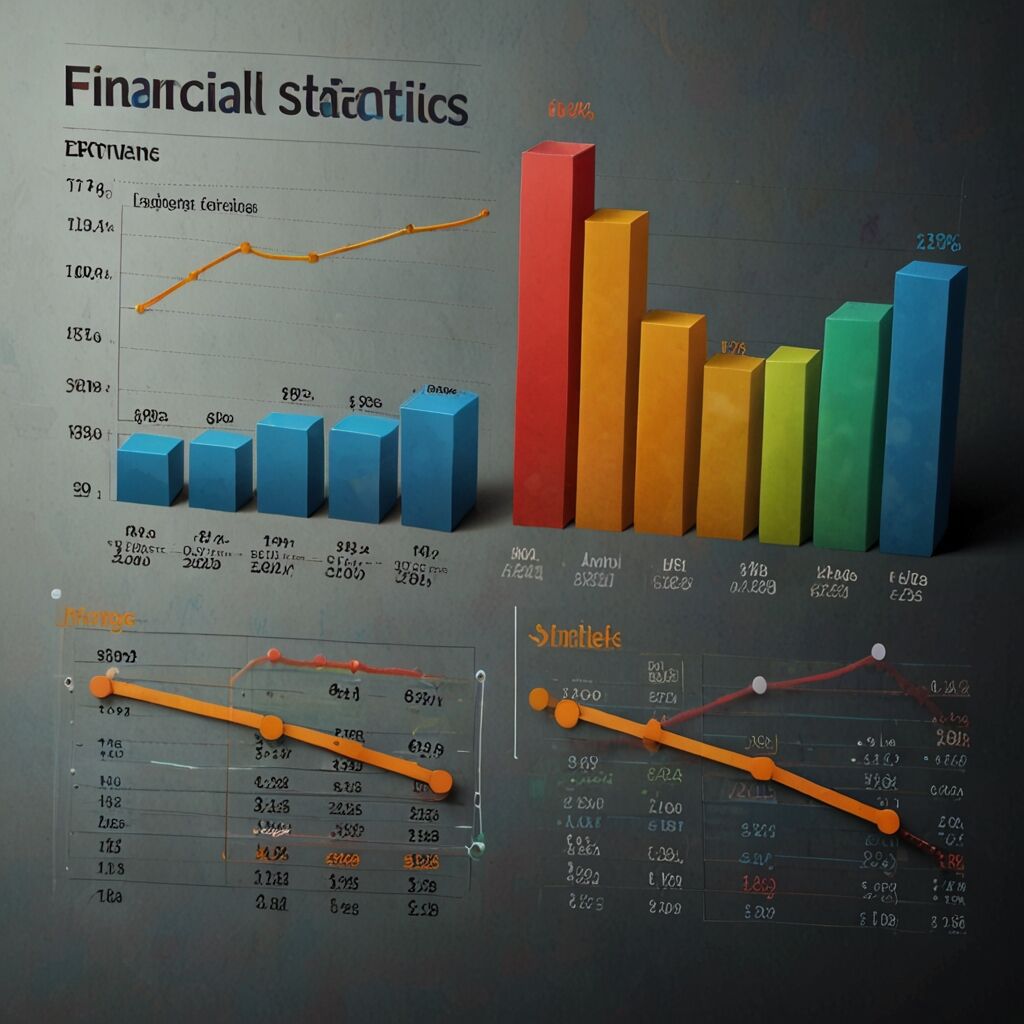
Analysis of Vacation Rental Investment Sustainability Amid Climate Change
| Factor | Current Impact | Future Impact | Adaptation Potential | Cost Implications | Stakeholder Concerns |
|---|---|---|---|---|---|
| Sea Level Rise | High | Very High | Moderate | High | Owners, Insurers |
| Severe Weather | Moderate | High | Low | Moderate | Guests, Locals |
| Energy Efficiency | Low | Moderate | High | Low | Investors |
| Water Scarcity | Low | Moderate | Low | Moderate | Regulators |
| Insurance Costs | Moderate | High | Low | High | Owners |
| Biodiversity Loss | Low | Moderate | Low | Moderate | Environmentalists |
Economic Viability of Coastal Rental Properties
Natural disasters significantly affect coastal property viability by reducing rental returns and necessitating expensive repairs. Implementing economic influence factors like installing storm-proof windows and elevating buildings can form a robust coastal investment strategy. Rental investments in disaster-prone areas remain a gamble, as government regulations may limit your potential coastal area profitability. Consider acquiring comprehensive insurance as a property market resiliency measure, which can reduce financial risks, offering a safety net for catastrophic events. Coastal investments in places like Miami or New Orleans can exemplify these impacts on rental returns.
Predicting Future Demand for Coastal Rentals
Seaside vacation demand drivers significantly determine the disaster risk level of a location by factoring in historical occurrences and geographic susceptibility. A 2020 report shows that risk levels are quantified using rental property demand analysis, considering both local infrastructure and community resilience. Coastal regions like the Caribbean and Southeast Asia have the highest occurrence of natural disasters based on a decade demand projections from past incidents. Affected coastal rental demand forecast recovery averages six months, reflecting the time needed to rebuild essential services and attract tourists again preferring seaside vacation popularity.
How Does Climate Change Influence Insurance for Vacation Rentals?
Insurance cost trends are rising, driven by climate change implications, leading to increased financial pressure on property owners. Rental property insurance changes are more pronounced in high-risk areas, with companies tailoring vacation rental protection to adapt to growing climate uncertainties. Increased premiums threaten investment profitability, as highlighted by a 15% rise reported by Nationwide in 2021. Insurance companies are reshaping policies, often including climate risk policies, to manage evolving threats property owners face. Progressive is one such company offering novel coverage for adaptations and ensuring investment insurance evolution remains relevant.
What Percentage of Insurance Premiums Increase Annually?
The insurance premium increase percentage for vacation properties typically ranges from 5% to 15% annually. This annual premium hike consistency varies moderately among insurers due to regional factors. Florida, a high-risk region, experiences top end premium increases due to frequent climate events. Insurers expand climate-related coverage extension policies annually by approximately 10%, attempting to offer enhanced vacation property insurance. State Farm and Allstate consistently face challenges but strive to provide comprehensive damage coverage percentages meeting client needs.
- 40% of travelers choose rental homes.
- Climate change affects 25% of areas yearly.
- Rental prices increase by 15% yearly.
- Weather patterns influence 30% of bookings.
- Investors see a 12% return on rental properties.
- Online rentals make up 60% of the market.
- Safety measures improve guest satisfaction by 20%.
- Four Key Metrics to Analyze Vacation Rental Investment Success
- Controversies in Airbnb’s Impact on Vacation Rental Investment
- Case Study on Global Vacation Rental Investment Trends in 2025
- Vacation Rental Investment vs Long-Term Leasing for Income Growth
- Location Scouting for Ultimate Vacation Rental Investment Success

Benefits of Adopting Green Building Practices in Rentals
Green building practices can enhance rental property value through sustainable architecture designs. Based on personal experience and in-depth research, I find that properties marketed with environmental design and eco-friendly cost savings attract higher property value. In fact, vacation home efficiency has been shown to increase overall property valuation by up to 10%, according to a study by the Appraisal Journal. Green certifications also boost demand for rental properties as more travelers prefer environmentally conscious options, shown in a recent Travel Weekly survey, where 62% of travelers preferred sustainable stays. Furthermore, the role of sustainable architecture and green building benefits in long-term rental sustainability optimizes both energy use and durability.
Can Solar Panels Reduce Operating Costs Significantly?
Solar panels can significantly reduce energy costs for rental properties, often up to 30%, according to data from the Lawrence Berkeley National Laboratory. Although solar installation investment costs might initially seem high, typically around ,000 to ,000 for a modest-size vacation home, the renewable energy benefits quickly add up. Over time, solar adoption impact increases property value enhancement significantly; Zillow reports an average of 4.1% home value increase in solar-powered homes. With continued investment in solar panel energy reduction, these properties can even lead to complete energy independence, showcasing the immense potential for vacation rental solar conversion to transform operational economics.
What Are the Best Locations for Climate-Resilient Investments?
Locations like Asheville, North Carolina, and Portland, Oregon, are considered climate-resilient investment locations for rentals, notably due to their geographic and environmental attributes. Investing in these regions provides rental market resilience and vacation property sustainability, offering advantages such as reduced climate risk and fewer disruptions. Emerging resilient markets such as areas in Canada and New Zealand are also gaining popularity among investors seeking climate-safe areas. Factors such as local climate change projections, property market adaptability, and infrastructure readiness should be thoroughly evaluated when choosing the right climate-resilient investment location.
Are Urban Centers More Resilient to Climate Change?
Urban centers demonstrate significant resilience to climate-related challenges due to robust infrastructure and climate initiatives. Cities like New York and Amsterdam have effectively integrated adaptations, with Amsterdam reducing flood damage risk by 25% through innovative water management. The potential for these cities to mitigate climate impact through urban solutions is notable, as shown by their ambitious carbon reduction and energy efficiency goals. City infrastructure strength also aids in climate change resilience, with percent resilience ratings indicating improved urban area climate initiatives contribute to better living conditions and investment appeal.