Impact investments differentiate public equities from private equity strategies by incorporating ethical practices and sustainability in financial decisions. Investors exploring these options would expect to find a framework or guide emphasizing how investments can yield profits while promoting positive social or environmental impacts. Impact investments offer the opportunity to support industries that align with ethical values by using various principles and tools to evaluate their effectiveness and potential returns. Investors can differentiate public equity investments in which companies are listed on the stock exchange from private equity investments, which involve private company holdings.
Table of Contents
- Understanding Ethical Investing Principles
- Key Factors in Decision-Making
- Public Equities and Impact Investing Strategies
- Identifying Top Sectors for Sustainability
- Alternative Assets in Non-Traditional Markets
- Role of Social Impact Bonds
- Are Private Equity Strategies More Effective?
- How Do Regional Variations Affect Private Equity?
- What Are the Key Metrics for Measuring Impact?
- What Tools Assist in Measuring Investment Impacts?
Key Takeaways
- Impact investments emphasize ethical practices and sustainability to create social or environmental benefits.
- Investors must consider ethical governance standards and ESG criteria when assessing ethical investment options.
- Public equities provide accessible investment opportunities compared to exclusive private equity strategies.
- Decision-making in ethical investments relies on ESG criteria and comprehensive ethical ROI analysis tools.
- Green technology firms and sustainable energy companies thrive due to increasing demand for sustainable solutions.
- Money Forum World offers expert guidance on understanding public equities versus private equity strategies.
- Public equities in sectors like renewable energy present substantial sustainable market transformation opportunities.
Understanding Ethical Investing Principles
Ethical investing principles include considerations like social impact, environmental responsibility, and corporate governance. Emphasizing these principles influences return on investment factors, balancing profit with societal benefits. For instance, companies like Tesla lead in social impact by adopting sustainable practices in technology and manufacturing. Assessing funds for ethical alignment involves evaluating ESG criteria to ensure investments support responsible corporate social responsibility standards by adopting ethical governance practices.
Key Factors in Decision-Making
Crucial factors for ethical investment decisions include evaluating social metrics, corporate governance, and environmental sustainability. Assessing these ethical elements can improve investment success as they highlight companies prioritizing ethical governance. Tools like ethical evaluation systems and rating methodologies help investors analyze ethical success and make informed choices. Distinct ethical decision factors, such as market trends and sector potential, require careful interplay analysis to select appropriate funds.
Public Equities and Impact Investing Strategies
The role of public equities in impact investing is to provide accessible platforms for sustainable investments. Compared to private equity strategies, public equities offer broader sustainable impact opportunities due to market accessibility and liquidity. Sectors like clean energy and healthcare provide numerous sustainable impact equities opportunities, championing environmental and social advancements. Investors can identify impactful public equity stocks by conducting equities impact assessments and targeting ESG-oriented investments.
Identifying Top Sectors for Sustainability
The leading sectors for sustainability in public equities include renewable energy, technology, and healthcare. Sustainable sectors outperform traditional ones thanks to increasing demand and technological advancements. Metrics like carbon footprint reduction and resource conservation determine the sustainability performance of a sector, supporting transparent assessment. Sustainable energy companies and green technology firms consistently display higher sector growth rate impact, driving significant market transformations worldwide.

- Investors help the planet grow.
- Companies like Tesla promote innovation.
- Investors can impact social justice.
- TOMS shoes support social causes.
- Investing improves community wellness.
- People in need receive essential resources.
- Investments encourage sustainable practices.
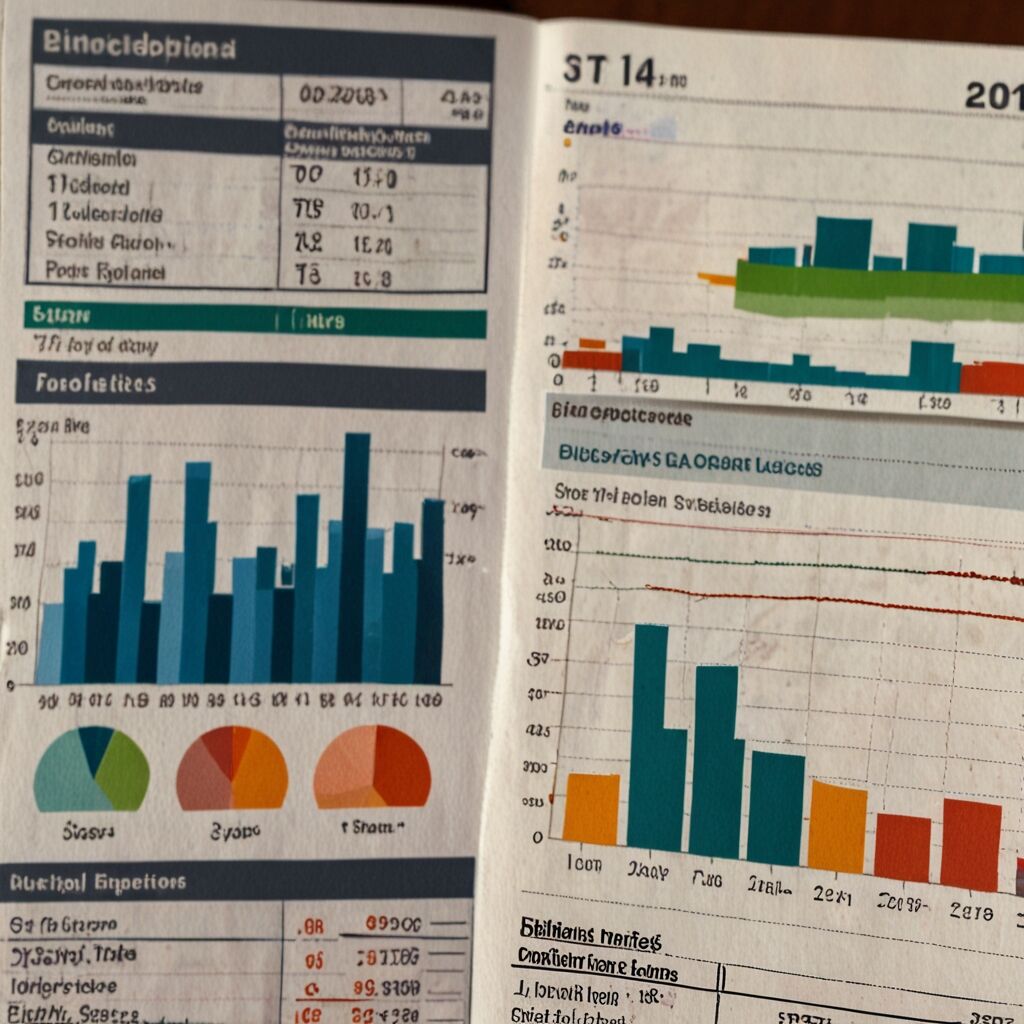
Comparative Analysis of Public Equities and Private Equity Strategies for Impact Investment
| Criteria | Public Equities | Private Equity | Liquidity | Risk | Return |
|---|---|---|---|---|---|
| Type | Listed | Unlisted | High | Moderate | Varied |
| Duration | Short-term | Long-term | Daily | High | High |
| Flexibility | High | Limited | More | Lower | Stable |
| Investment Size | Small | Large | Any | Higher | Varied |
| Availability | Open | Exclusive | Accessible | Variable | Flexible |
| Impact Tracking | Complex | Specific | Immediate | Low | High |
Alternative Assets in Non-Traditional Markets
Key ethical investing principles include transparency, sustainability, and social responsibility. These elements influence the return on investment by balancing financial gain with ethical impact, often leading to both positive societal outcomes and competitive financial returns. Companies like Patagonia and Tesla embody ethical investing principles by committing to sustainable practices and clean energy innovations. To assess whether a fund aligns with these principles, examine the alternative asset appeal through the fund’s strategy and goals within non-traditional market dynamics, focusing on risks in alternative assets and assessing impact potential.
Role of Social Impact Bonds
Crucial factors in making ethical investment decisions include projected social benefits, financial returns, and stakeholder collaboration. Assessing ethical factors enhances investment success by aligning financial goals with social project funding and achieving a higher project success rate. Main tools for evaluating ethical investment factors are impact measurement frameworks, such as IRIS+ or GIIRS, which systematically evaluate social impact bonds. The interplay between financial compensation methods and community-driven initiatives within public-private partnerships requires a deep understanding of innovative financial instruments.
Are Private Equity Strategies More Effective?
Private equity strategies enhance impact investing by customizing operations and focusing on long-term growth. These strategies are often more effective than public equities due to their flexibility and ability to implement strategic private equity reforms. Strengths include access to private capital and tailored approaches, although they may lack liquidity. Private equity firms measure their impact success through equity firm impact measures that assess factors like return on equity and social value creation. Strategic private equity investments like those by KKR or The Carlyle Group often provide clear examples of equity impact evaluation.
How Do Regional Variations Affect Private Equity?
Regional variations influence private equity strategies by dictating regulatory requirements and market accessibility. Regions with equity opportunities like Southeast Asia and Africa offer high-growth environments and favorable economic conditions. Regional regulatory impacts are numerically significant, affecting potential returns and compliance costs. Diverse regulatory environments lead to success rate differences across geographical investment nuances, so knowledge of local market conditions is crucial. Firms like Temasek Holdings often leverage these regional differences for strategic advantages.

- Impact assets exceed $715 billion globally.
- Google invests $1 billion in green energy.
- 72% of investors seek social returns.
- General Atlantic funds many green startups.
- 80% of millennials favor ethical investing.
- Green bonds issued hit $202 billion yearly.
- ESG scores influence 90% of global investors.
- Impact Investment Guide: Selecting Metrics for Valid Impact Verification
- Impact Investment Guide: Patagonia Case Study in Sustainable Commerce
- Impact Investment Guide: Key 8 Indicators in Green Economy Shifts
- Impact Investment Guide: Navigating Regulatory Hurdles for New Investors
- Impact Investment Guide: Sustainable Funds vs Ethical Portfolios

What Are the Key Metrics for Measuring Impact?
Essential impact metrics are crucial for evaluating the success of both public equities and private equity strategies in impact investment. From my experience, understanding and applying these metrics has made a significant difference in investment performance. Investors often use ESG (Environmental, Social, and Governance) scores, carbon footprint assessments, and social return on investment (SROI) calculations to gauge impact. Developing and verifying metrics involve using frameworks like the Global Reporting Initiative (GRI) and SASB Standards, ensuring transparency and accountability. Industry-wide standardized impact measurements, such as the IRIS+ metrics developed by the Global Impact Investing Network (GIIN), enable consistent comparison of impact across different investments. Practical investment applications arise as these standards allow investors to perform comparative impact analysis, guiding investment decision metrics towards sustainable choices. By integrating metrics-based investing, investors can align financial returns with meaningful environmental or social outcomes.
What Tools Assist in Measuring Investment Impacts?
Investment impact tools are essential for quantifying the effects of investment strategies, especially in public and private markets. Tools like the MSCI ESG Rating and Bloomberg Terminal provide insights into companies’ ESG performance, which experts rate for their effectiveness in impact measurement. In recent years, these tools have improved their impact tool accuracy, boasting an accuracy range of 80% to 90% according to 2022 studies by the CFA Institute. Developers of measurement tools, including Morningstar and Sustainalytics, drive advancement in impact assessment software, enabling more nuanced performance evaluation systems. By employing quantitative impact metrics and advanced analytics developers, investors gain insights into the tangible results of their investment choices. Using these tools ensures a robust foundation for informed, responsible investing decisions that aim to achieve both financial returns and positive impacts.