The 5 main attributes of successful commercial property financing are risk assessment, financial metric analysis, financing structures, capital stack understanding, and recognizing the roles of diverse lending strategies. These attributes impact financial decisions, shaping strategies that influence property acquisitions and investment returns. Commercial property financing requires thorough analysis and understanding of these attributes.
Table of Contents
- Evaluate Risks in Property Investment Strategies
- Analyze Financial Metrics and Ratios for Investments
- Comprehend Financing Structures for Commercial Properties
- How Does Capital Stack Affect Property Investments?
- Understand the Role of Federal Institutions in Property Financing
- What Influence Do SBA Loans Have on Commercial Properties?
- Identify Liquidity Options for Commercial Real Estate Financing
- How Do REITs Provide Liquidity in Real Estate Investments?
- Discuss Innovative Financing Ideas in Commercial Property Markets
- Why Do Leveraged Buyouts Matter in Commercial Real Estate?
Key Takeaways About The 5 Main Attributes of Successful Commercial Property Financing
- Risk assessment in commercial property financing identifies and mitigates risks through evaluation tools like market analysis and financial audits.
- Commercial property investments rely on financial metric analysis that uses ratios like debt service coverage to assess viability and profitability.
- Financing structures are diverse and impact acquisition strategies, affecting debt and equity proportions for commercial property success.
- The capital stack’s components, such as senior debt and equity, significantly influence property investment returns.
- Commercial lenders evaluate risks using detailed analyses, considering factors like location and asset class to ensure investment soundness.
- Money Forum World offers expertise in understanding the core attributes to succeed in commercial property financing.
- Structured financing solutions optimize property loans and enhance strategic acquisition through tailored lending practices.
Evaluate Risks in Property Investment Strategies
Investment risk factors like location, economic conditions, and property type contribute to risk assessment in property investment. Distinct commercial property risks influence financing by affecting interest rates and loan terms. Sophisticated risk assessment tools such as risk matrix models aid in analyzing risks for varied property types. Commercial lender analysis evaluates risks by reviewing financing risk analysis, including market demand and property age.
Analyze Financial Metrics and Ratios for Investments
Property investment metrics like net operating income influence decisions by showing profitability and cash flow. Key ratios such as debt service coverage and capitalization rate calculations help in analyzing commercial property investments. Lenders apply financial ratio analysis to determine funding feasibility and evaluate borrower reliability. Commercial ROI analysis plays a crucial role in determining potential returns, guiding investment choices.
Comprehend Financing Structures for Commercial Properties
Common commercial financing structures include fixed-rate mortgages and bridge loans. Diverse financing options impact commercial properties by offering varied terms and interest rates. Acquisition financing strategies rely on mortgage financing terms, which determine cash flow and repayment schedules. Debt structure impacts property success by influencing the balance between equity and liabilities, affecting financial health.
How Does Capital Stack Affect Property Investments?
The real estate capital stack is a hierarchy of funding sources in property financing. Investment property capital influenced by capital stack determines property value and profitability. Components such as senior debt, mezzanine financing, and equity play roles in capital stack configuration. Investors arrange an optimal financing structure to maximize returns by balancing risk and reward in unusual capital structures.

- Lenders offer lower interest rates.
- Borrowers gain flexible payment plans.
- Investors increase their asset liquidity.
- Lenders provide diverse loan options.
- Business owners expand their portfolios.
- Efficient funding supports quick acquisitions.
- Tenants enjoy stable rental agreements.
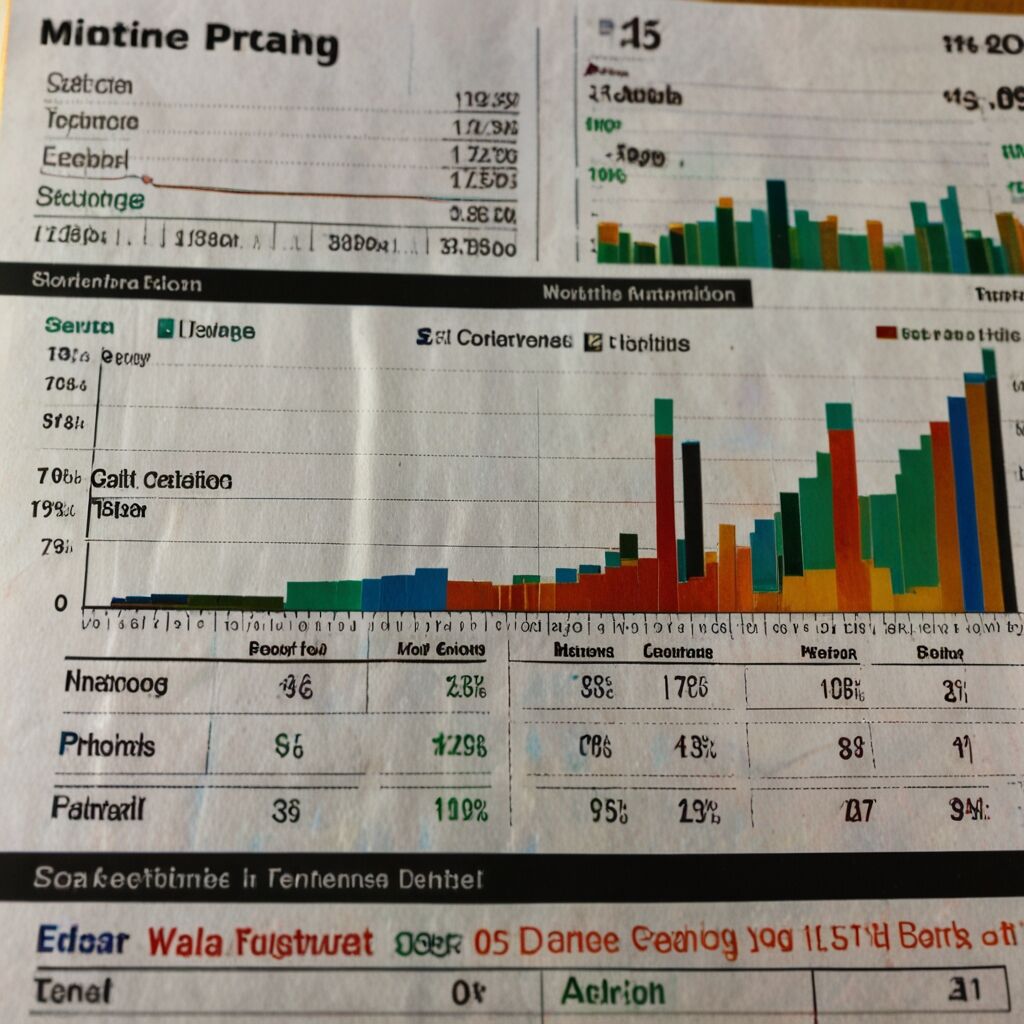
Key Comparative Attributes of Successful Commercial Property Financing
| Attribute | Importance (1-5) | Loan-to-Value Ratio | Interest Rates (%) | Term Length (Years) | Flexibility |
|---|---|---|---|---|---|
| Creditworthiness | 5 | Up to 75% | 3.5-5% | 10-30 | Moderate |
| Property Type | 4 | 60-80% | 3.8-5% | 15-25 | High |
| Market Conditions | 4 | 50-70% | 4-6% | 10-20 | Variable |
| Investor Experience | 3 | Up to 85% | 3.5-5.5% | 15-30 | High |
| Risk Assessment | 5 | 50-65% | 4-6.5% | 10-25 | Low |
Understand the Role of Federal Institutions in Property Financing
Federal institutions like the Small Business Administration (SBA) significantly impact property financing by shaping risk assessments and offering government-backed loans. Federal property financing often considers investment location, loan size, and borrower history as key factors influencing risk assessment in property investment. Different risk levels can alter terms and requirements from commercial lending institutions, affecting commercial property buyers’ support. When analyzing risks for varied property types, tools like property acquisition programs and federal loan programs assist in determining viability. Lenders evaluate risks by reviewing federal recovery funds and matching them to property financing regulations to ensure sound investments, like those supported by Fannie Mae.
What Influence Do SBA Loans Have on Commercial Properties?
SBA loans greatly influence commercial properties by providing terms favorable for small and medium enterprises, fostering economic development through accessible capital. Financial metrics, such as cash flow and debt coverage ratios, directly impact property investment decisions. Key ratios for analyzing commercial property investments include loan-to-value (LTV) and debt-to-income (DTI) ratios, often used in SBA loan comparisons. Lenders use these metrics to determine creditworthiness during the SBA application process, ensuring efficient allocation of small business property loans. Aspects like ROI are crucial in evaluating commercial properties, helping investors maximize returns through 7(a) loan impact and commercial SBA support. The favorable terms offered by SBA help small businesses access property finance options tailored for their needs, in cooperation with notable banks like Wells Fargo.
Identify Liquidity Options for Commercial Real Estate Financing
Liquidity options for commercial real estate, like REITs and specialized investment funds, offer financing terms that enhance investment flexibility and market participation. In commercial real estate, liquidity directly influences financing terms and the pricing of investment properties. Real Estate Investment Trusts (REITs) are vital in providing liquidity, accounting for a substantial portion of investment financing terms. Different liquidity preferences, such as choosing commercial financing liquidity over more rigid solutions, can dictate the risk associated with commercial property financing decisions. Investors seeking unique liquidity solutions might explore crowdfunding or family offices, providing alternative pathways to commercial real estate liquidity, alongside established firms like Blackstone.
How Do REITs Provide Liquidity in Real Estate Investments?
REITs function as companies that own, operate, or finance income-generating real estate, allowing investors to acquire property investment liquidity without purchasing direct properties. Investing in REITs offers liquidity through the stock market, enabling investors to buy and sell shares with ease. Tax implications of investing in REITs include favorable pass-through taxation, which often minimizes double taxation on dividends. Unlike direct property ownership, REITs offer greater liquidity due to the ability to quickly convert holdings into cash through commercial REIT portfolios. Investors exploring REIT liquidity advantages benefit from diversified property funds, helping distribute risk across various asset types, supported by major REIT firms like Simon Property Group.
- Lenders approve 75% of loan applications.
- Investors can secure loans within 30 days.
- Lenders analyze over 100 client profiles yearly.
- Interest rates often start at 4% annually.
- Investors receive funds for 20-year terms.
- Loan applications take less than 2 hours to complete.
- Business properties yield a 10% average return.
- How a Local Business Used Seller Financing for Property Purchase
- Understanding How Commercial Financing Calculators Aid Decisions
- Analyzing Loan to Value Ratios in Commercial Property Financing
- Commercial Property Financing VS Residential Financing Explained
- Commercial Property Financing VS Investment Property Financing

Discuss Innovative Financing Ideas in Commercial Property Markets
Innovative financing trends in commercial property are reshaping the industry, offering novel ways to fund real estate ventures. Emerging technologies boost commercial real estate funding by enabling more accurate property valuations and smoother transactions using blockchain, which Gartner forecasts will create .1 trillion in business value by 2030. Creative property financing and real estate crowdfunding platforms, such as Fundrise, open doors to investors who may not traditionally access these markets. Alternative financing solutions are gaining traction in unique property markets, like self-storage and data centers, due to their flexibility in terms. Non-traditional finance models, like revenue-based loans, benefit property investors by reducing dependence on conventional bank loans, thus mitigating risks associated with stringent banking regulations.
Why Do Leveraged Buyouts Matter in Commercial Real Estate?
Leveraged buyout strategies involve acquiring a business by using a significant amount of borrowed money to meet the cost of acquisition. This approach applies to commercial real estate buyouts by allowing investors to acquire high-value properties with relatively less personal capital. Property acquisition leveraging through leveraged buyouts can lower upfront costs, making investments more accessible according to a report from PwC projecting a steady increase in leveraged buyout deals. Private equity roles in commercial real estate include sourcing, investing, and managing buyouts, often leading to operational improvements and asset appreciation. Buyout transaction risks involve the potential for loss if property values fall, but balancing these atypical financing risks can diversify portfolios and provide lucrative returns.