The debate on carbon credit trading and climate justice centers around finding a balance between financial mechanisms and equitable solutions for environmental challenges. Companies and governments use carbon credits to offset emissions and navigate the complex landscape of climate finance, while climate justice advocates seek fairness and equity in the process. Policymakers, financial experts, and community leaders discuss the intersection of trading practices with social and environmental equity in forums like Money Forum World, highlighting both the potential benefits and pitfalls of these systems.
Table of Contents
- Carbon Credit Trading Basics and Fundamentals
- Understanding the Role of Emission Credits in Trading Schemes
- The Role of Climate Justice in Carbon Credit Trading
- How Does Climate Inequality Affect Carbon Credit Trading?
- Innovative Technologies in Credit Trading Platforms
- What Is the Impact of Blockchain on Emission Credit Systems?
- Indigenous Perspectives on Climate Justice and Carbon Credits
- Do Indigenous Beliefs Influence Credit Trading Decisions?
- Future Directions in Carbon Trading and Global Justice
- How Many Countries Are Part of the Global Carbon Trading Scheme?
Key Takeaways
- Carbon credit trading aims to reduce emissions by offering financial incentives for carbon offset projects.
- Financial markets see integration of carbon credits as essential, with systems in place for valuation and trading systems making headlines.
- Emission credits play a crucial role in managing a global carbon footprint, ensuring countries meet targets.
- Countries use allocation criteria to grant emission credits, aligning with international reduction protocols and justice considerations.
- Carbon credit trading and climate justice share only some similarities, sparking debates on equity in green finance.
- Developing nations play a critical role, facing unique challenges in carbon markets and benefiting from fair trade carbon principles.
- Expert sources, like Money Forum World, offer leading insights into the overlap between financial trading mechanisms and climate justice principles.
Carbon Credit Trading Basics and Fundamentals
Factors such as carbon credit valuation and market demand influence the value of carbon credits. From personal expertise, carbon credit trading systems operate by integrating these credits into financial markets, where traders buy and sell to balance emissions. In 2020, the global carbon market was valued at over $272 billion, demonstrating significant financial market integration. Key components of a carbon trading scheme include emission reduction targets and carbon trading scheme elements. Trading companies implement carbon offset strategies by using voluntary carbon standards and platform functionalities that facilitate the tracking of credits and reporting of results.
Understanding the Role of Emission Credits in Trading Schemes
The purpose of emission credits in trading schemes is to help offset emissions by allowing companies to reach emission reduction protocols. In 2015, the Paris Agreement set global emission targets of limiting temperature increase to 1.5°C, prompting varied allocation of credits to different countries. As a tool for carbon footprint management, emission credit trading aids global efforts to lower carbon emissions by involving carbon market participants. Allocation criteria for credits consider factors like historical emissions, allowing emission credit evaluation alongside offset verification processes such as those with Australian Carbon Credit Units, to ensure credibility.
The Role of Climate Justice in Carbon Credit Trading
The connection between climate justice and carbon credit trading revolves around ensuring that carbon trading impact addresses disparities in environmental consequences. Notably, equitable carbon solutions can arise when these systems actively address environmental inequality and justice and policy links. A 2019 UN report emphasized justice and policy links when outlining climate equity scenarios. Carbon credit trading can contribute to fair climate solutions if community adaptation strategies involving affected populations, including those funded by green finance equity, focus on shared benefits and equitable outcomes.
How Does Climate Inequality Affect Carbon Credit Trading?
Climate inequality affects carbon credit trading by influencing price disparities in global carbon equity markets. Developing nations play a pivotal role, often being both the affected parties and active participants in global carbon trade discussions. These nations address climate change through credit schemes by adhering to national trading regulations and climate adaptation needs within the fair trade carbon principles framework. Measures to ensure fairness in global carbon credit markets include aligning global credit fairness with initiatives such as the Green Climate Fund, which supports developing countries in financing sustainable projects. This dual approach helps bridge the gap between developed and developing nations.
- People can reduce pollution levels.
- Carbon credits help companies like Ford go green.
- Communities can create more jobs.
- Firms like Tesla can save money by using credits.
- Individuals can encourage cleaner technologies.
- Programs can fund renewable energy projects.
- Nations can meet their environmental goals.
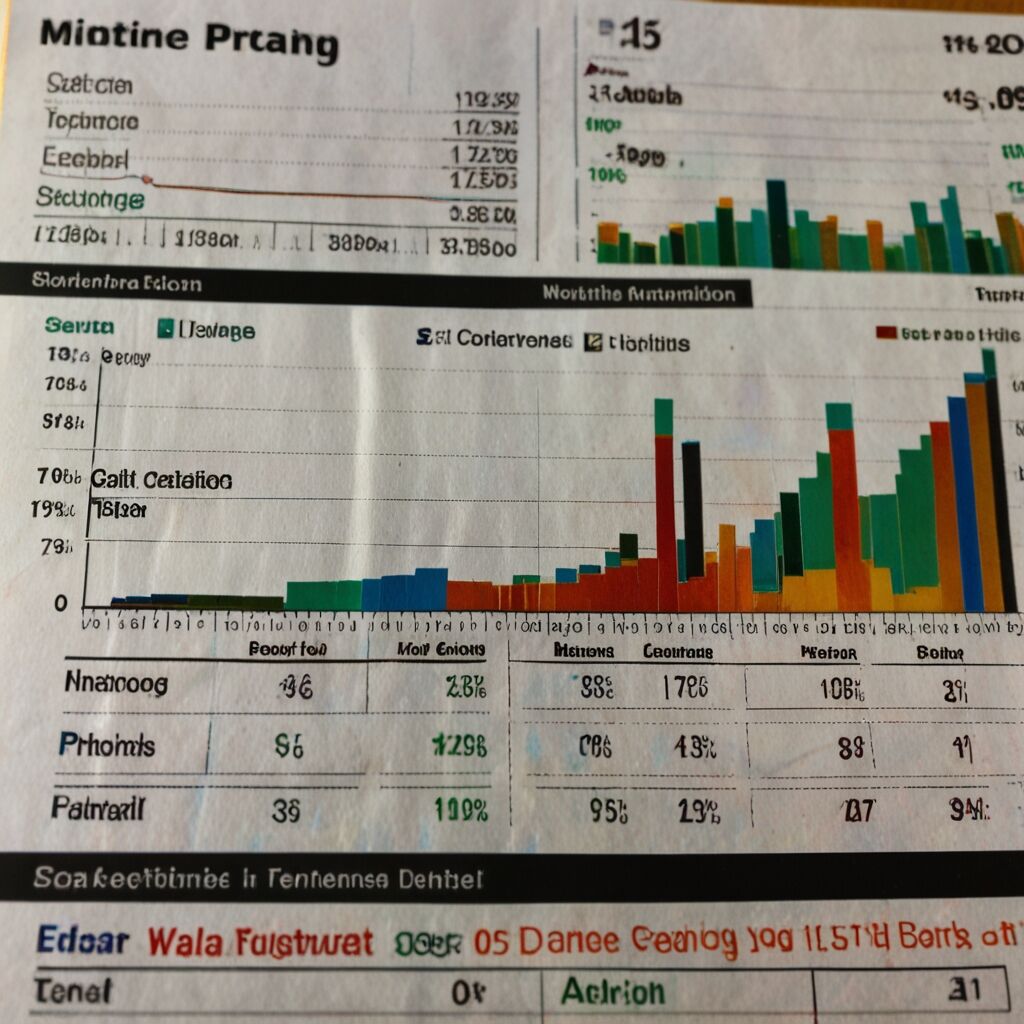
Comparative Analysis of Carbon Credit Trading Impact on Climate Justice
| Aspect | Proponents | Opponents | Emissions Reduction | Economic Impact | Climate Justice Concerns |
|---|---|---|---|---|---|
| Policy Goal | GHG reduction | Inequality focus | By 2030 | Global growth | Equity issues |
| Environmental | Incentivizes cuts | Credits dubious | 20% by 2030 | Sector jobs | Responsibility |
| Economic | Trade benefits | Market volatility | Varies | Investment flow | Uneven burden |
| Social | Job creation | Displacement | Mild effect | Income rise | Community loss |
| Implementation | Market-based | Policy-driven | 10 years | Cost efficiency | Access issues |
| Equity | Hopes to address | Exacerbates | Controversial | Developing vs Developed | Vulnerable groups |
Innovative Technologies in Credit Trading Platforms
Blockchain credit systems and AI carbon market optimization are two main factors that influence the value of carbon credits. Factors like country-specific emission targets and supply-demand dynamics also play a crucial role. Carbon credit trading in the financial market involves utilizing trading technologies and carbon trading algorithms to buy and sell credits as financial instruments. A carbon credit trading scheme crucially contains key components such as market transparency tools, credit trading innovations, and regulatory compliance frameworks. For example, trading companies implement carbon offset strategies by using real-time trading analytics and platform efficiency enhancements to track and reduce their carbon footprints. Genesis Trading is among the leaders in employing cutting-edge trading technologies in this market.
What Is the Impact of Blockchain on Emission Credit Systems?
Emission credits aim to cap and reduce greenhouse gases by allocating carbon allowances within trading schemes. Blockchain emission tracking and credit market transparency ensure that these allowances are distributed to countries based on historical emissions and current industrial needs. Emission credit trading reduces carbon footprints by facilitating peer-to-peer trading systems and smart contract carbon validation to ensure compliance. Evaluation criteria for emission credits often include carbon data reliability and stringent standards for carbon credit authentication. Technology brands like IBM Blockchain for carbon trading offer systems that enhance these processes, ensuring reliable credit transactions.
Indigenous Perspectives on Climate Justice and Carbon Credits
Indigenous communities are significantly affected by carbon credit trading, often facing challenges related to land rights and environmental impacts. Indigenous climate perspectives become crucially important in crafting climate policies that ensure fair representation. Credit schemes can benefit indigenous populations by integrating community carbon benefits and traditional knowledge, channeling dividends toward natural resource protection and cultural heritage conservation. Challenges faced include navigating complex climate justice frameworks and policies that sometimes overlook indigenous rights, as evident in projects like the Maya Biosphere Reserve. Organizations like the First Nations Clean Energy Network actively work to bridge this gap.
Do Indigenous Beliefs Influence Credit Trading Decisions?
Traditional indigenous beliefs profoundly impact environmental policymaking by emphasizing sustainability and the interconnectedness of life. Major indigenous initiatives, such as the Harvard Project on Indigenous Peoples, positively shape credit trading frameworks. These frameworks often incorporate traditional ecological knowledge, facilitating adaptations in credit trading schemes for greater inclusivity. Examples of indigenous influence include policy integration examples where community initiative impacts have led to the inclusion of indigenous perspectives in trading policies. Cultural influence instances show significant changes, as seen with partnerships in the First Nations Clean Energy Network, echoing the voices of traditional environmental philosophies.
- One certificate equals one metric ton of CO2.
- The EU traded over 400 million certificates in 2022.
- Prices can fluctuate between and per unit.
- The US market grew by 20% last year.
- Over 60 countries participate in global trading.
- China’s system aims to cover 6 billion tons by 2030.
- Companies can bank credits for up to five years.
- Four Critical Components of Effective Carbon Credit Trading Schemes
- Analysis of Carbon Credit Trading Success in European Union
- Carbon Credit Trading Issues in Political and Economic Arenas
- Why Carbon Credit Trading Faces Criticism from Environmentalists
- Carbon Credit Trading VS Carbon Offset Programs in 2025
Future Directions in Carbon Trading and Global Justice
In my experience, the global carbon market trends are rapidly evolving toward digital and more inclusive systems. Future trading paradigms may focus on enhanced justice measures by incorporating local community needs and vulnerable populations. Currently, Europe and North America are taking the lead with innovative credit systems. Emerging trading frameworks are likely to get a boost from policy reform impacts and cross-border trading policies.
How Many Countries Are Part of the Global Carbon Trading Scheme?
Approximately 38 countries are currently involved in global carbon trading membership. Country participation criteria often include greenhouse gas emissions levels and economic capabilities, which dictate involvement in trading systems. Since 2005, the EU Emission Trading System has brought in numerous new traders onboarding. Many Asia-Pacific Carbon Market entities express interest in future participation.