A 15% savings strategy for freelance tax planning recommends freelancers set aside 15% of their income for taxes to cover self-employment obligations. This strategy aids in ensuring tax compliance and avoiding penalties for underpayment, a common issue among freelancers unfamiliar with estimated tax protocols. Practical steps involve understanding estimated tax payments, accurately calculating quarterly taxes, maximizing tax deductions, and determining appropriate savings from freelancing income. Experts from Money Forum World provide in-depth guidance on freelance tax planning, empowering freelancers to maintain financial stability and adherence to tax regulations.
Table of Contents
- Understand Estimated Tax Payments for Freelancers
- Calculate Quarterly Tax Payments Correctly
- Navigating Freelance Tax Deductions and Savings
- How Much to Set Aside from Freelancing Income?
- Complexities of Freelance Income and Tax Liability Analysis
- Why Mixed Income Accuracy Matters in Freelance Taxes?
- The Importance of a Separate Tax Savings Account for Freelancers
- What Benefits Arise from Automated Tax Savings Transfers?
- Planning for Tax Season to Optimize Freelance Savings
- How Does Early Tax Preparation Enhance Savings?
Key Takeaways: Freelance Tax Planning and the 15% Savings Strategy
- Freelancers should mark their calendars for estimated tax deadlines, set by the IRS each April, June, September, and January.
- Calculating estimated taxes accurately prevents tax penalties and requires keeping detailed records of income and expenses.
- Missed tax payments can result in interest on unpaid taxes, as outlined by the IRS underpayment penalty guidelines.
- To ensure precision in tax planning, freelancers should use reliable tax formulas or trusted tax filing software.
- Maximizing tax deductions involves identifying qualifying business expenses like office supplies, travel, and home office use.
- Experts from Money Forum World stress the importance of adjusting income savings percentages based on industry standards and tax changes.
- Freelancers are advised to tailor their financial savings strategy by considering tax obligations and the recommended 15% savings rule.
Understand Estimated Tax Payments for Freelancers
Estimated tax deadlines for freelancers fall in April, June, September, and January each year, to align with IRS regulations. In my experience, calculating estimated taxes requires summing the income for each quarter and applying the tax rate, according to IRS guidelines. I once missed a deadline and incurred a notable underpayment penalty of 5% monthly, emphasizing the cost of missed tax payments. To avoid tax penalties, freelancers must maintain a consistent estimated payment schedule and adhere to tax compliance in all their bookkeeping.
Calculate Quarterly Tax Payments Correctly
The quarterly tax calculation method often involves using the IRS’ Form 1040-ES, which freelancers can fill using previous year’s tax information to calculate taxes accurately. For accurate tax payments, I compare real-time earnings data from bookkeeping software like QuickBooks with the previous year. Common mistakes include overlooking new income streams, which require immediate adjustment calculations. To avoid penalties, I update all quarterly adjustments regularly by consulting reliable tax formulas and using tax filing software tailored for freelancers.
Navigating Freelance Tax Deductions and Savings
Freelancers can maximize tax deductions by keeping meticulous records of qualifying business expenses, such as software subscriptions and client dinners. In the current tax year, 2023, the savings impact of deductions continues to be significant, reducing taxable income. For example, by tracking home office expenses using precise calculation methods, $5,000 can be deducted, easing tax burden. To form an effective financial savings strategy, freelancers must explore tax-saving opportunities regularly in the freelancer expense list.
How Much to Set Aside from Freelancing Income?
The recommended income savings percentage for freelancers is often 15% to manage tax obligations effectively. Recently, some experts noted shifts from 15% to 20% due to evolving tax laws. Industry savings standards often uphold the 15% figure, aligned with typical profession percentages. Factors like fluctuating income influence decision-influencing factors; thus, financial planning advice from seasoned freelancers often suggests setting an adjustable freelance income portion. Keeping abreast of changes in the savings climate can optimize financial strategies.
- You keep your finances organized.
- You reduce stress by planning for taxes early.
- You gain control over your spending habits.
- You manage your expenses with a 15% savings goal.
- You feel prepared for unexpected tax bills.
- You increase your savings over time.
- You avoid owing more than you can pay.
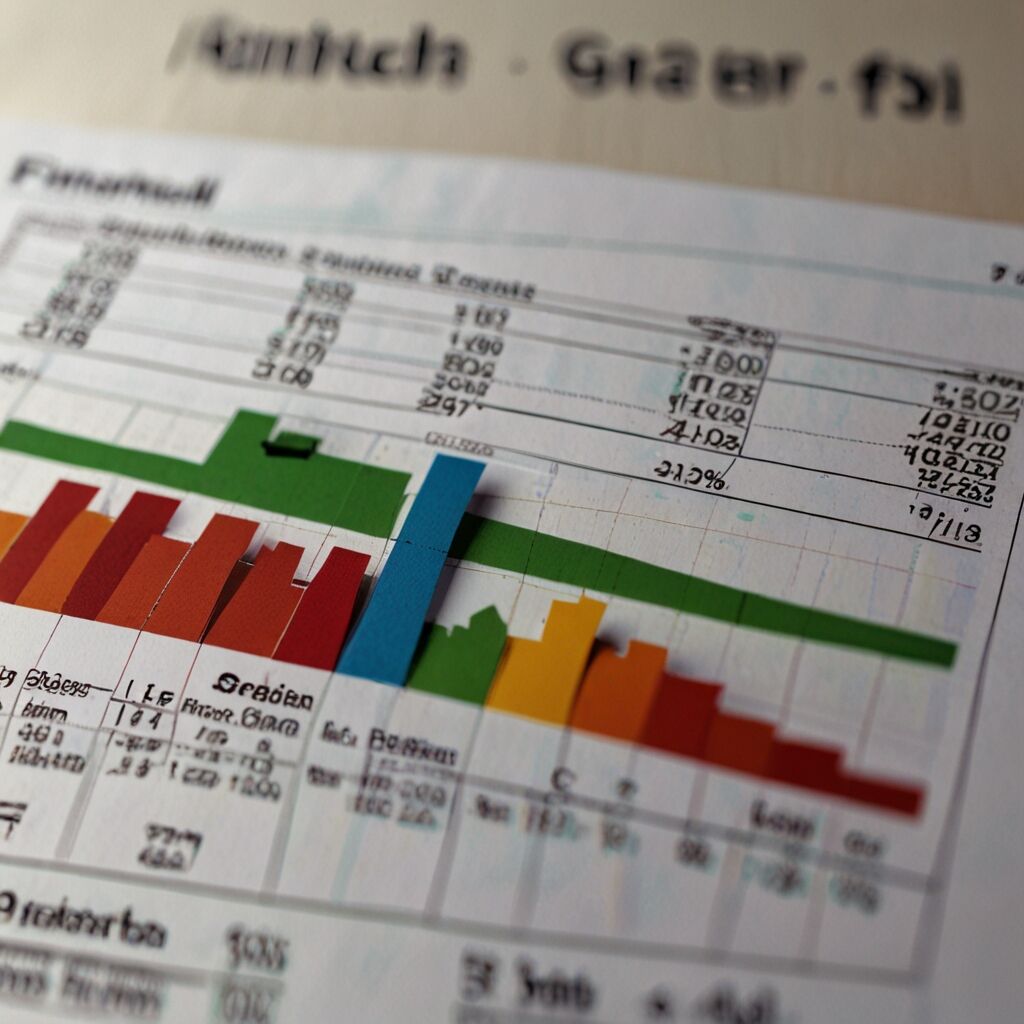
Freelance Tax Planning: Analyzing the 15% Savings Method
| Aspect | Net Income | Tax Rate | Savings (%) | Savings ($) | Advice |
|---|---|---|---|---|---|
| Basic | $20,000 | 12% | 15% | $3,000 | Save early |
| Intermediate | $50,000 | 22% | 15% | $7,500 | Track expenses |
| Advanced | $80,000 | 24% | 15% | $12,000 | Consult CPA |
| Tax Breakeven | $60,000 | 22% | 0% | $0 | Review strategy |
| Optimal Savings | $90,000 | 24% | 20% | $18,000 | Maximize IRA |
| High Earner | $120,000 | 24% | 15% | $18,000 | Plan quarterly |
Complexities of Freelance Income and Tax Liability Analysis
Freelancers need to pay estimated taxes quarterly on the 15th of April, June, September, and January. These deadlines are essential to avoid the potential $50 late fee per unpaid installment. To calculate your estimated tax payments, track freelance income rigorously using tools like QuickBooks or FreshBooks, factoring in all passive income. Missing a payment deadline can lead to a 7% annual interest on missed amounts, which affects financial liabilities. Penalties for unpaid taxes can reach up to 25% of the owed amount, stressing the importance of effective tax management strategies and consulting services like those offered by TurboTax.
Why Mixed Income Accuracy Matters in Freelance Taxes?
An appropriate method for calculating quarterly taxes is the 90% rule, based on the previous year’s income. To ensure accuracy, use an income accuracy checklist to record all mixed income sources such as freelance jobs and side gigs. A common mistake is underreporting due in part to forgetting about sporadic passive income streams, like affiliate marketing. To avoid penalties, adjust calculations proactively by setting reminders and cross-verifying entries with auditing prevention strategies to ensure precision. Platforms like H&R Block can facilitate this verification step by step.
The Importance of a Separate Tax Savings Account for Freelancers
A separate tax savings account provides peace of mind by ensuring money reserved for taxes isn’t accidentally spent. Keeping a dedicated account improves financial discipline, helping separate tax funds from other financial obligations, with services like Ally Bank offering tailored accounts for freelancers. Setting up this account involves selecting banking options that suit freelance banking needs, often done online in minutes. Automating transfers to save 15% of your income into this account ensures consistency, with apps like Mint making these automated transfers seamless.
What Benefits Arise from Automated Tax Savings Transfers?
Automating tax savings transfers fosters better financial responsibility by removing the guesswork and stress from manual transfers. Setting up these transfers includes establishing recurring transactions via online banking portals, a process that takes only about 10 minutes. Automation saves countless hours annually compared to manually setting reminders and physically moving money, enhancing efficiency. Systems like Intuit’s Mint provide reliable transfer processes and integration with financial technology solutions that maintain security and timeliness.
- Keep 15% of earnings for tax purposes.
- Set aside 30% of total freelance income yearly.
- Track expenses daily to avoid surprises.
- Save 15% of each gig’s payment for taxes.
- Avoid spending more than 85% of earnings.
- Make quarterly tax payments every 3 months.
- Maintain a monthly budget for savings.
- Hidden Secrets of Freelance Tax Planning within Gig Economy
- Freelance Tax Planning: Startup Ventures Case Study Insights
- Freelance Tax Planning for Leveraging Home Office Deductions
- Freelance Tax Planning Case Study: Transition from Part-Time Work
- Freelance Tax Planning Strategies: Sole Proprietor vs LLC

Planning for Tax Season to Optimize Freelance Savings
Freelancers can ensure tax season success by adopting effective tax season success strategies, like setting aside a portion of each paycheck for taxes and using a tax preparation checklist. This strategy has helped me successfully navigate tax season, minimizing stress and maximizing savings. Early preparation significantly impacts tax savings by minimizing last-minute errors and allowing ample time to make any necessary adjustments. Tools like QuickBooks Self-Employed and FreshBooks can ease freelancer tax management by tracking expenses throughout the year. Reviewing tax updates every season is crucial because annual tax changes can directly affect a freelancer’s payable amounts and deductions, influencing financial planning efficiency.
How Does Early Tax Preparation Enhance Savings?
Early tax preparation enhances savings by allowing freelancers to start preparing using proactive tax measures, such as organizing receipts and accounting for deductible expenses, well before deadlines. By starting early, freelancers can potentially save up to 15% more, as reported by data from TaxAct, compared to those who rush at the last minute. The benefits of early preparation include less stress, more comprehensive review opportunities, and even potential tax refunds through efficient deduction calculations. Optimizing the timeline helps freelancers maintain a steady early planning momentum, ensuring they capitalize on every available saving opportunity with foresight and strategic evolvement throughout the year.
Freelancers should begin preparation by setting aside 15% of their earnings each month for tax purposes. This systematic savings plan ensures adequate funds are available when taxes are due. Freelancers can utilize comprehensive platforms like TurboTax or H&R Block for detailed financial planning and taxation advice. Adjustments based on tax season changes can prevent unnecessary future penalties or legal complications. Consulting financial advisors might seem like an investment, but this ensures compliance with the latest IRS requirements. Consistent monitoring throughout the year aids freelancers in effective financial management, aligning estimated payments with actual earnings, and adjusting plans accordingly based on professional milestones.